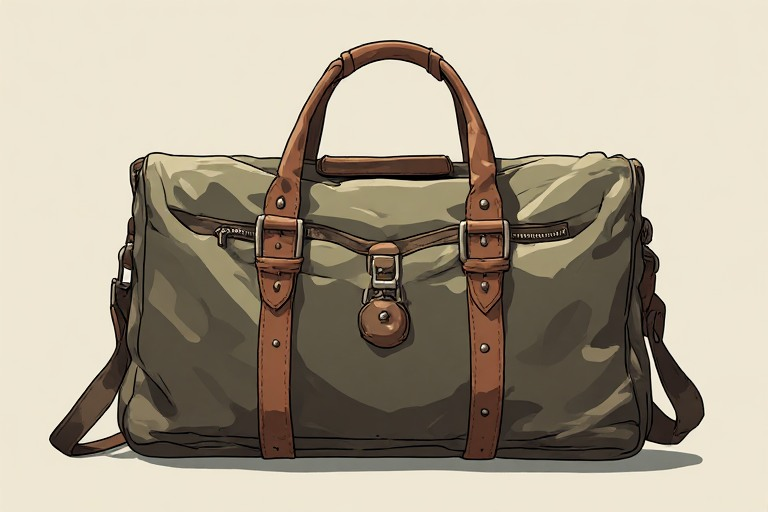
The term “bag oh” is a phrase that signifies something new or freshly acquired. When someone purchases a completely new bag, the immediate reaction from those around them is often an exclamation of “oh,” reflecting admiration or surprise. This story revolves around Jake, a young man who recently became a new recruit at a prominent international bank situated in the heart of a bustling city. The word “bag oh” means “new”.
Jake’s background was rooted in rural life, where he was accustomed to working close to his home, rising early in the morning, boiling water with his kettle, and driving directly to his place of employment. Transitioning from this familiar routine to the vibrant, fast-paced urban environment was a significant change for him. In the city, it was customary for commuters to rely on buses or trains rather than personal cars, and Jake found himself adapting to this new mode of transportation with an open mind, appreciating the change in scenery and the energy that the city exuded. Despite the busy atmosphere, Jake enjoyed the excitement that came with being a newcomer in such a dynamic setting.
However, one notable challenge quickly emerged for Jake. Unlike the other commuters, many of whom carried sophisticated travel bags or briefcases, Jake did not possess a proper bag suitable for his daily commute. On his very first day at the office, he hurriedly packed his belongings into a simple plastic shopping bag—a makeshift solution that seemed practical but was far from appropriate in the context of a prestigious corporate environment. Unfortunately, this choice did not go unnoticed by his colleagues. The staff members, who were accustomed to a high standard of professionalism, were visibly taken aback by his informal and somewhat unkempt appearance.
The office itself was a refined establishment, serving clients from all over the world, and maintaining a polished, professional image was of utmost importance. The manager, who took pride in the bank’s impeccable standards, even noticed Jake’s attire and the plastic bag in his possession. Concerned, the manager instructed the secretary to approach Jake and discreetly discuss his choice of accessories. Jake, unaware of any issue, believed he was dressed appropriately—he had always been meticulous about his appearance, even when living in the countryside, where he habitually had his suits dry cleaned after each use. Nonetheless, in this corporate setting, appearances held a different significance.
As Jake settled into his workspace, he became increasingly aware of the subtle, yet unmistakable, looks directed at him by his colleagues. The security guard, who maintained a sharp appearance with perfectly polished shoes and neatly pressed overalls, even cast a disapproving glance. Jake could feel the weight of their gazes, yet he was uncertain about the cause. His suit was impeccable, and he had taken care to present himself well—his reflection in the polished shoes confirmed his effort. However, the presence of the plastic bag continued to bother him, as it was the only element that seemed out of place amidst the professional decorum.
It was then that Jake’s eyes fell upon the secretary’s desk, where she proudly kept her designer Gucci bag, and then to Steve, one of the bank’s tellers, who carried a sleek, leather brown bag—both exemplars of the professionalism expected within the institution. The realization struck him: the plastic bag was the source of the problem. How could he have overlooked such an obvious detail? In a rush of anxiety, Jake took the plastic bag and hurried to the lunchroom, where he discreetly disposed of it, feeling a surge of sweat and nervousness. His mind raced—what was he going to do? He had inadvertently broken the dress code by not carrying a proper bag, a simple yet significant breach in this high-standard environment.
Throughout the morning, Jake kept his head down, overwhelmed by the mistake he had made, especially since he prided himself on his sense of fashion and professionalism. During lunch, he quickly exited the building, determined to find a suitable replacement—an impressive, stylish bag that would meet the expectations of the corporate culture. As he navigated through the shopping mall, an unexpected encounter occurred: Jake bumped into an old friend who owned a renowned fashion line. The word “bag oh” means “new”.
His friend greeted him warmly, expressing surprise at not having seen Jake in some time. Jake explained his urgent predicament—he needed help to rectify his wardrobe mishap. Upon hearing that Jake had arrived at the prestigious bank with only a plastic bag, the fashion-conscious friend nearly fainted in disbelief. Recognizing the severity of the situation, the friend promptly offered to treat Jake to a selection from his personal collection of high-quality bags, aiming to help him make an immediate and lasting impression.
This wasn’t merely about purchasing a good bag; Jake needed an exceptional one—something that would seamlessly blend with his professional attire and elevate his appearance. The fashion manager led Jake to his private collection, a secure room upstairs containing hundreds of carefully curated bags, each selected for its style and suitability for different occasions. Upon entering, Jake was stunned by the sheer variety—an assortment of luxury, fashionable, and professional bags, each more impressive than the last.
After examining the collection, Jake selected a refined leather bag that was neither too flashy nor too understated—just the right balance for his work environment. It was clear that many of his colleagues favored leather bags, and he wanted to match their level of professionalism while maintaining a sense of style. Grateful for the fashion manager’s assistance, Jake expressed his appreciation for saving his job and promised to meet him again when he was less busy, perhaps at a nearby sushi bar he mentioned. The word “bag oh” means “new”.
Returning to the bank with his new, stylish bag, Jake noticed an immediate change in the reactions of his colleagues. They all seemed impressed, and even the security guard smiled as Jake entered, clearly pleased with his new accessory that suited the bank’s professional image. The initial concern about his appearance—stemming from the plastic bag—had been resolved. When people saw his new bag, they instinctively exclaimed “oh,” recognizing it as a “bag oh”—a playful way to remember that “bag” signifies “new,” and the “oh” denotes admiration or surprise.
In conclusion, Jake’s story exemplifies how a small detail—such as the right bag—can make a significant difference in fitting into a professional environment. The phrase “bag oh” cleverly encapsulates this idea, emphasizing that the purchase of a brand new, fitting bag can evoke admiration and reinforce one’s image in a corporate setting.